The U.S. ban on Huawei officially took effect yesterday. Companies such as TSMC, Samsung, and SK Hynix have stopped supplying chips and are currently applying for the relevant licenses.
For Huawei, the main impact is on its consumer business, while areas such as 5G base stations are less affected, and chip inventory, including 7nm chips, can last for several years.
After being unable to produce the Kirin chip and other chips, Huawei’s smartphone business will be significantly affected. The demand for mobile phone chips is enormous. Even if Huawei is stepping up chip storage, due to production capacity constraints, it would not be possible within a few months. Prepare chips for one year or even two years.
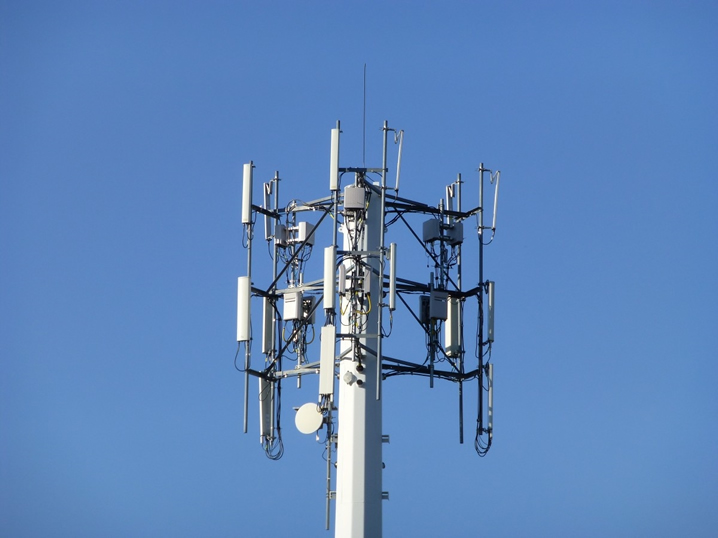
But the base station business is different. China is the world’s largest 5G market, and it was expected to build 800,000 base stations in 2020. After subtracting last year’s construction volume, the base station market is not supplied solely by Huawei. Huawei ships about several hundred thousand base stations annually.
Based on this, some securities analysts believe that the ban will not have a great impact on Huawei’s base station business. Huawei has previously prepared a large number of parts and components, and the base station does not require too high-end technology. Some are 7nm, and many are 28nm or above process.
In summary, analysts expect Huawei’s 5G base station-related services to continue for several years, and Huawei has enough time to address issues related to chip and component replacements.